AIDS NYC Home

Category

Living with HIV

19 articles

The First Message, the First Date, the First Truth: HIV-Positive New Yorkers on Navigating Love in a Swipe-Right World

The First Message, the First Date, the First Truth: HIV-Positive New Yorkers on Navigating Love in a Swipe-Right World

For HIV-positive New Yorkers, the rituals of modern dating—the curated profiles, the nervous first messages, the slow accumulation of trust—are layered with a question that carries enormous emotional weight: when, how, and whether to disclose their status. In conversation with singles across the city's diverse communities, alongside therapists and community organizers who work at the intersection of HIV and intimacy, a nuanced portrait emerges of desire, resilience, and the ongoing work of defin


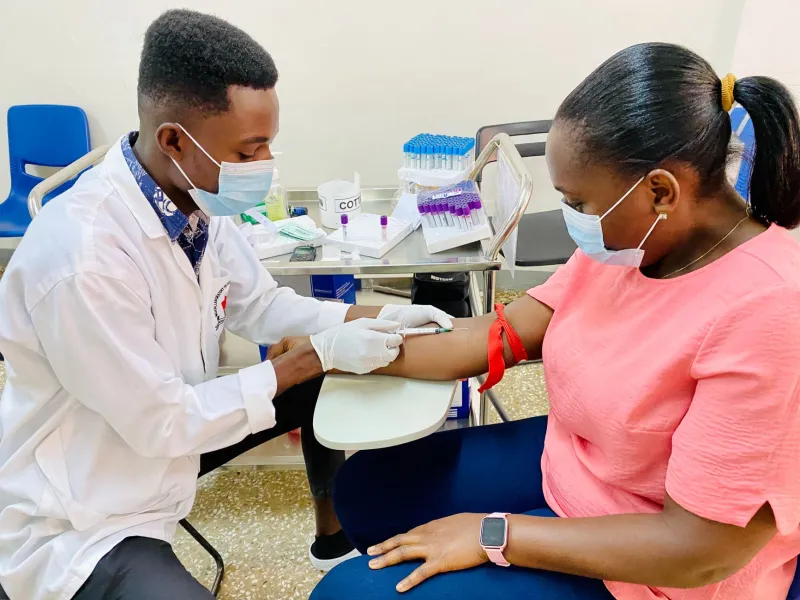
What Happens When You Check In: The Uneven State of HIV Stigma Training Inside New York City's Hospitals

What Happens When You Check In: The Uneven State of HIV Stigma Training Inside New York City's Hospitals

Across New York City's sprawling hospital network, the experience of an HIV-positive patient can vary dramatically depending on which floor, which shift, and which staff member happens to walk through the door. An investigation into stigma training protocols reveals a system that too often leaves its most vulnerable patients to absorb the cost of institutional failure. A handful of facilities are charting a better course—and their methods deserve urgent replication.

Gatekept: The Prior Authorization Maze Standing Between HIV-Positive New Yorkers and the Medications They Need Now

Gatekept: The Prior Authorization Maze Standing Between HIV-Positive New Yorkers and the Medications They Need Now

For thousands of HIV-positive New Yorkers, the hardest part of starting treatment is not the diagnosis — it is navigating a labyrinthine insurance approval process that can delay life-saving medication by weeks. Prior authorization requirements, once a minor bureaucratic hurdle, have become a structural barrier that providers, patients, and advocates are fighting to dismantle.

After the Diagnosis: Reclaiming Desire, Trust, and Intimacy When HIV Changes Everything

After the Diagnosis: Reclaiming Desire, Trust, and Intimacy When HIV Changes Everything

An HIV diagnosis can fracture a person's sense of self long before it touches their body—and nowhere is that rupture felt more acutely than in intimate relationships. For New Yorkers navigating disclosure, desire, and vulnerability after diagnosis, the distance between medical reassurance and emotional reality can feel vast. This article examines the psychological, relational, and practical dimensions of rebuilding a sexual identity in a city that rarely makes space for that conversation.

Motherhood Is Not a Medical Risk: The Broken Conversation Around Pregnancy and HIV in New York City

Motherhood Is Not a Medical Risk: The Broken Conversation Around Pregnancy and HIV in New York City

HIV-positive women in New York City are increasingly capable of carrying healthy pregnancies and raising children without transmitting the virus — yet many are still receiving outdated, stigmatizing guidance from the very clinicians they trust. This investigation examines the persistent gap between what modern HIV medicine makes possible and what women are actually told when they walk into a clinic with a pregnancy question.

When Prescriptions Collide: The Dangerous Drug Interaction Crisis Hidden Inside HIV Care

When Prescriptions Collide: The Dangerous Drug Interaction Crisis Hidden Inside HIV Care

For thousands of New Yorkers managing HIV alongside other chronic conditions, the greatest threat to their health may not be the virus itself — it may be sitting inside their own medicine cabinet. Antiretroviral medications interact with dozens of common prescriptions in ways that most patients are never warned about, creating a silent crisis that clinicians, pharmacists, and the healthcare system at large have been slow to address.

Beyond Viral Load: The Side Effect Conversation That HIV Clinics in New York Are Still Refusing to Have

Modern antiretroviral therapy has transformed HIV from a death sentence into a manageable chronic condition — but the daily physical and psychological costs of that management are rarely discussed openly in clinical settings. For thousands of New Yorkers on HIV treatment, side effects ranging from metabolic disruption to sexual dysfunction represent a quiet, ongoing crisis. This article examines what those trade-offs look like in practice, what alternatives exist, and why honest conversations be

Gray Area: Why New York's Primary Care System Is Failing Older Adults With HIV

Gray Area: Why New York's Primary Care System Is Failing Older Adults With HIV

Older New Yorkers are being diagnosed with HIV later, treated less aggressively, and left without adequate support—largely because the physicians who see them most often are not looking. A growing body of evidence suggests that age-related blind spots in primary care are quietly sustaining an epidemic that the city has long claimed to be ending.

Seen but Unseen: The Systemic Failures Leaving Black Women in New York City Without Timely HIV Diagnoses

Seen but Unseen: The Systemic Failures Leaving Black Women in New York City Without Timely HIV Diagnoses

Black women in New York City are disproportionately receiving HIV diagnoses years after initial infection — not because they avoided care, but because the care system repeatedly failed to see them clearly. A convergence of medical racism, gynecological blind spots, and deeply entrenched stigma is costing women in this city precious years of early treatment. This investigation examines the structural forces behind that silence and the advocates fighting to dismantle them.

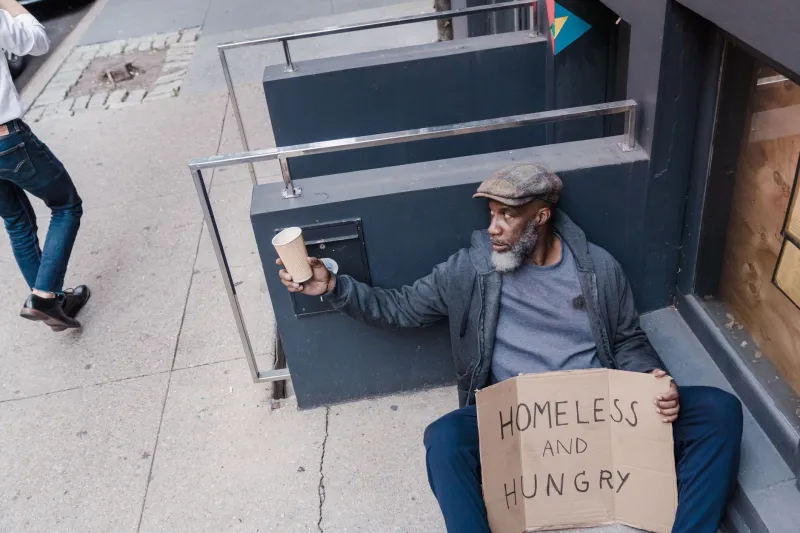
No Address, No Adherence: The Housing Crisis That Is Breaking HIV Treatment in New York City

No Address, No Adherence: The Housing Crisis That Is Breaking HIV Treatment in New York City

For thousands of New Yorkers living with HIV, stable housing is not a comfort—it is a clinical necessity. Without a fixed address, maintaining the daily medication schedules, refrigeration requirements, and mental health stability that effective HIV treatment demands becomes nearly impossible. This investigation examines the devastating intersection of housing insecurity and treatment failure across the five boroughs.

Employed but Exposed: The Quiet Workplace Reckoning Facing HIV-Positive New Yorkers

Employed but Exposed: The Quiet Workplace Reckoning Facing HIV-Positive New Yorkers

Federal and state law promise protection for HIV-positive workers, but the distance between legal rights and lived reality remains vast for many New Yorkers. Informal retaliation, forced medical leave, and career stagnation continue to define the professional lives of people navigating disclosure without adequate safeguards. This piece examines the structural failures—and the hard-won strategies—shaping HIV-positive employment in New York City today.

Healing the Whole Person: A Guide to Mental Health Support for HIV-Positive New Yorkers

Healing the Whole Person: A Guide to Mental Health Support for HIV-Positive New Yorkers

An HIV diagnosis rarely arrives alone. For many New Yorkers, it brings depression, anxiety, grief, and trauma that can be just as difficult to manage as the virus itself. This practical guide maps out the mental health resources available across the five boroughs — from specialized therapy and peer support groups to psychiatric care and crisis services — and offers firsthand perspectives from HIV-positive New Yorkers who have navigated the system, in all its complexity.

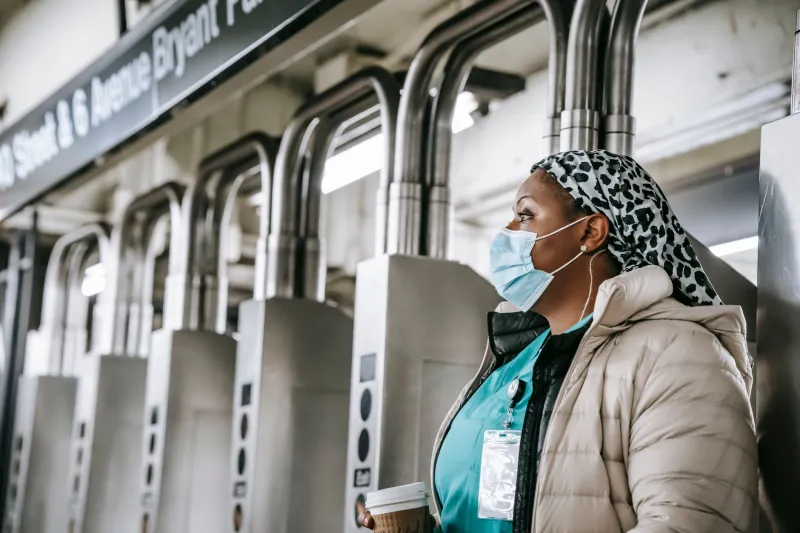
Scrubs Don't Erase Stigma: HIV-Positive Healthcare Workers in NYC Are Still Forced to Choose Between Their Status and Their Careers

Scrubs Don't Erase Stigma: HIV-Positive Healthcare Workers in NYC Are Still Forced to Choose Between Their Status and Their Careers

Despite robust legal protections and decades of scientific evidence confirming that HIV cannot be transmitted through routine clinical care, many HIV-positive healthcare professionals in New York City continue to conceal their status from employers, colleagues, and institutions. The fear is not irrational — it is rooted in documented patterns of workplace discrimination that persist even within the very field dedicated to healing. This investigation examines what that silence costs both the work

One Shot, Six Months: How Long-Acting HIV Treatments Are Reshaping Life for New Yorkers

One Shot, Six Months: How Long-Acting HIV Treatments Are Reshaping Life for New Yorkers

For decades, daily pill regimens have defined HIV treatment — but a new generation of long-acting injectable medications is beginning to change that reality. Cabotegravir and lenacapavir offer dosing schedules measured in months rather than days, with profound implications for adherence, privacy, and quality of life. Here is what New Yorkers living with HIV need to know right now.

Undetectable and Unstoppable: The Science, the Stories, and the Stakes of U=U for New Yorkers Living with HIV

Undetectable and Unstoppable: The Science, the Stories, and the Stakes of U=U for New Yorkers Living with HIV

The science is settled, the evidence is overwhelming, and yet misconceptions persist: a person living with HIV who maintains an undetectable viral load cannot sexually transmit the virus. For New Yorkers navigating relationships, disclosure, and self-worth in the shadow of decades-old stigma, understanding U=U is not just a matter of public health — it is a matter of dignity.